How to Take Good Portraits at Night
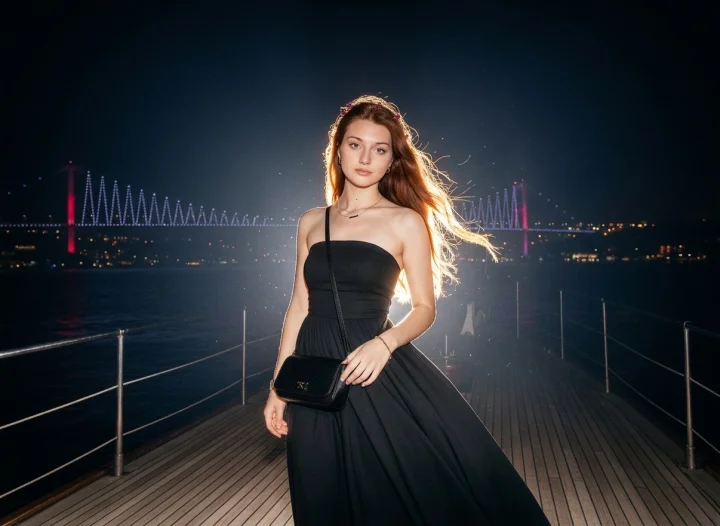
Night portraits mostly come down to managing two problems at once: not enough light, and the camera shake that comes from the slower shutter speeds low light forces.
Find or bring a light source
Streetlights, shop windows, string lights, or a phone flash all work as a usable light source — position your subject near or facing one rather than relying on ambient darkness alone.
Brace yourself for stability
Lean against a wall, rest elbows on a solid surface, or hold your breath briefly during the shot — small stabilization habits that meaningfully reduce blur from slower night shutter speeds.
Let the background go dark
Trying to fully expose a night background usually blows out or flattens the subject. Letting the background stay moody and underexposed, while keeping the subject lit, almost always looks better and more intentional.
Should you always use night mode for portraits?
Not necessarily — night mode is built for still, low-light scenes and can struggle with people moving even slightly, so a well-placed light source with a normal photo mode is often more reliable for portraits specifically.