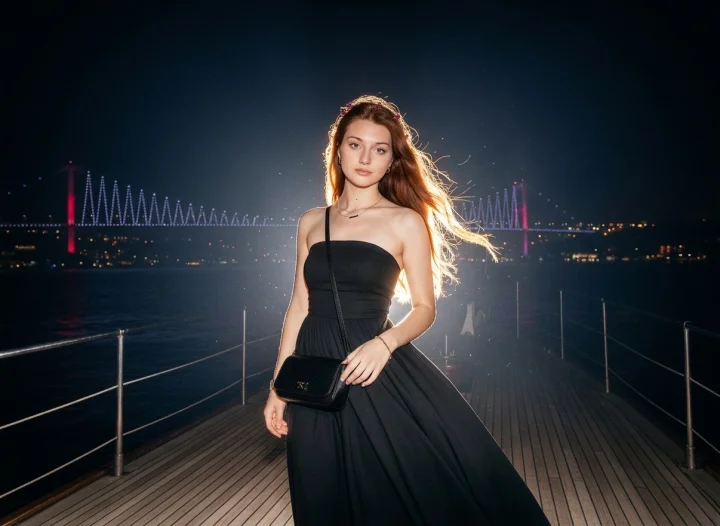
Why Film Grain Still Feels 'Premium' in a Digital World

It seems counterintuitive — adding visible texture and imperfection to an image usually feels like it should look worse, not better — but a light, even grain is one of the most consistent markers of a premium, cinematic photo today.
Grain vs. digital noise
Digital sensor noise tends to look clinical, uneven, and unpleasant, especially in shadows. A deliberately added, even film-style grain is a completely different texture — softer, more organic, and associated with intentional style rather than a technical flaw.
A signal of intentional style
Because ultra-clean digital images are now the easy default, a photo with visible, tasteful grain reads as a deliberate creative choice rather than a limitation — which is exactly why it's become shorthand for 'premium' or 'cinematic.'
Grain and cinematic lighting go together
Moody, high-contrast lighting (like a dusk backlight look) pairs naturally with a bit of grain, since both traits are associated with the same film-inspired, atmospheric visual language.
Is too much grain ever a bad thing?
Yes — heavy, uneven, or clumpy grain can start to look like a technical flaw again rather than a style choice; the effect works best as a light, even texture rather than an overwhelming one.